
US Afghan Relations in Light of Post 9/11
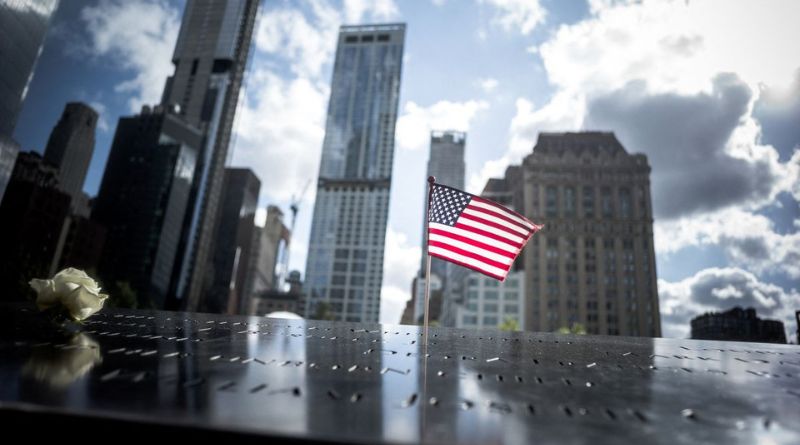
20 years ago today, unspeakable tragedy and horror struck the United States of America. Almost 3000 Americans died today 20 years ago, 11 September 2001. But the story just began after 9/11 attacks. Although there are a lot of conspiracies in exist about these attacks with solid reasons and grounds. But taking aside of this, just consider some others facts too.
Because of this 9/11, over 200,000 Iraqis, 240,000+ Afghans, 70,000+ Pakistanis, were killed as as consequence of America’s ‘wars’ abroad. Why saying it was an attack on America ?
When it comes to racism and Islamophobia, the US record has always been poor. Every day, one or another incident against black people comes to light in the United States. After 9/11, Islamophobia emerged all over the world, including the United States. Even anti-Islam and anti-Muslim statements surfaced in media organizations.
Prime Minister of Pakistan Imran Khan said that joining US after 9/11 was Pakistan’s biggest mistake because it killed 70,000 Pakistanis in US war on terror. Further, more than 200 billion have been lost to the economy of the country. Not only to this, Pakistan ever talked for a constructive dialogues on Afghanistan crisis. PM Imran Khan said, “The solution to Afghanistan is not military and I have been telling that thing since the time when Barack Obama did not became the president. There is no military solution in Afghanistan as it has been a part from the history that no one was able to stay because of resistance. Pakistan did a very constructive role in making bridge between the US and Afghanistan.
Afghan Peace Talks
On September 12, 2020, Taliban and Afghan Government sit face to face in Doha, Qatar for some constructive dialogues for the first time after 20 years of war. Both parties seemed interested in establishing peace in Afghanistan region by their own way after evacuation of US forces. The government wanted to declare ceasefire while Afghan Taliban had their own intentions of governing the country by Islamic system.
U.S. Withdrawal by 9/11
A few days ago, the US President Joe Biden had ordered the release of secret documents related to the 9/11 attacks. The FBI has released the first draft of the 9/11 attacks. In draft, it is clearly mentioned that no evidence of links between Saudi Arabia and the hijackers is found.
President Biden announces that the United States will not meet the deadline set under the U.S.-Taliban agreement to evacuate all troops by May 1 and instead releases a plan for a full evacuation by September 11, 2021. “It’s time to end America’s longest war,” he says. NATO troops in Afghanistan will also leave. Biden also said, Washington will continue to assist Afghan security forces and support the peace process. While The Afghan Taliban made it clear that they will never participate in “any conference” on Afghanistan’s future until all foreign troops are left.

